Honeycomb: The World Beyond Build a Lab on Sota7
Water, power, drones, and grow pods for Honeycomb: The World Beyond.
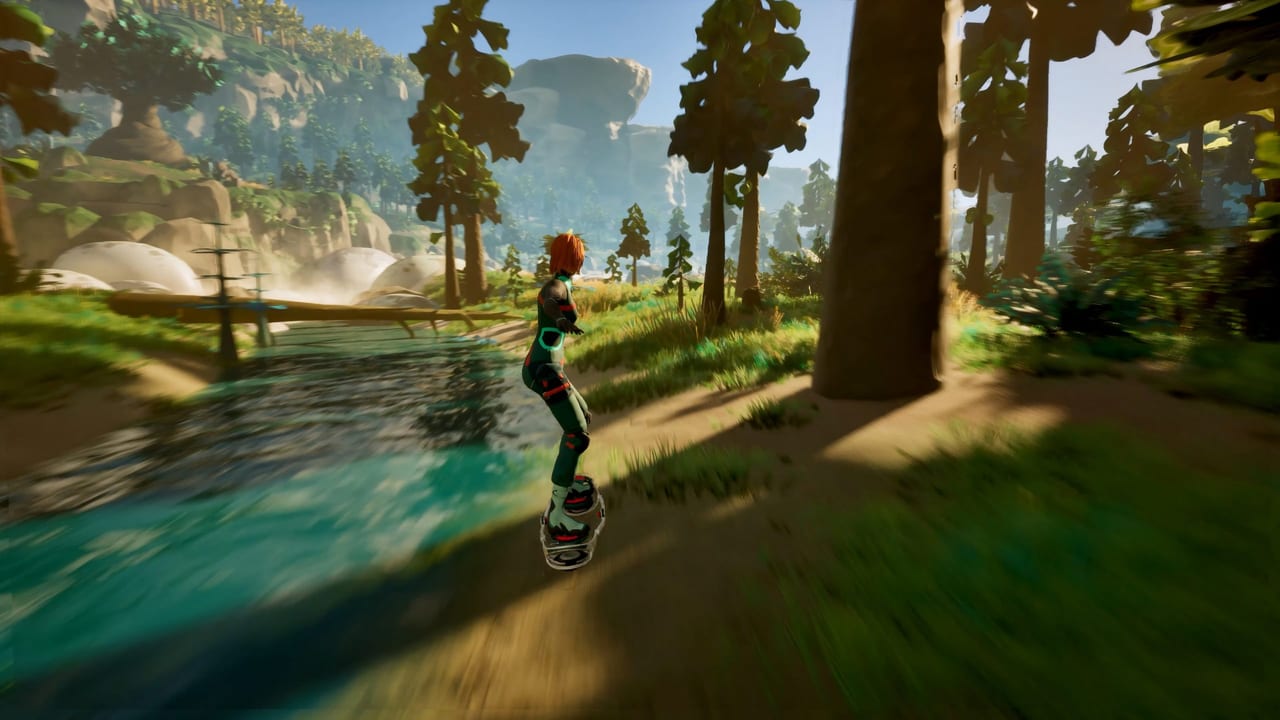
A scientist on Sota7 without a lab is just a well-dressed hiker. Honeycomb: The World Beyond treats the base as the instrument, not a vanity project. Official copy is blunt: find water, gather materials, and build. IVS supplies blueprints. Planning mode exists for people who hate snapping every wall. Drones help assemble. Solar panels and water pumps keep the lights and the grow pods alive. This page is the construction briefing. Pair it with bioengineering so the rooms have a purpose and with survival so you actually sleep in them.
Place the first camp like a field station
Do not drop a palace on the first pretty ridge. Ask four questions:
- Water. Pumps need a source. The official site puts water first for a reason.
- Sightlines. You want to see wildlife before it sees your samples. The Valley is low risk; The Headlands and The Pass are not. Read biomes before you commit to a late-game view.
- Materials. Strip-mining the landing classroom makes the next hour worse. Take what you need for a compact footprint.
- Expansion. Leave room for grow pods, storage, and a drone path. Planning mode can sketch the future wing so you do not wall yourself in.
The landing pod is a cradle, not the forever house. Interviews mention a rebuilt landing area with cleaner visuals. Use it as respawn and staging. Death already returns you here with some dropped items; a second bed in a bad canyon does not cancel that logic.
Planning mode and drones
Frozen Way knows a slice of the audience came for plants, not for interior decorating. Planning mode lets the game place a valid structure from a plan so you can return to science. Use it when:
- You are inside the demo hour and cannot afford a snapping puzzle.
- You need a legal, powered footprint more than a custom roof line.
- You are relocating closer to water after a bad first drop.
Drones are the advertised construction help. Treat them as extra hands, not as a skip button for gathering. You still collect the mats. The drone shines when the plan is already drawn and you need the walls up before night or before immunity drops.
If you enjoy building, ignore none of this — just add craft. Solar lines, windowed labs, and stilts (older previews compared the look to above-ground Subnautica habitats) are flavor on top of a working loop. A gorgeous unpowered greenhouse still kills your graft.
Power, water, and grow pods
Solar panels are the marketed backbone. Place them where Sota7 actually sees sky. Jungle canopy looks nice in screenshots and is a bad roof for photovoltaic plates. A small clearing near the lab beats a decorative ring in the trees.
Water pumps turn a lake or stream into uptime. No water, no comfortable stay, no plant work. If you must build away from a shore, plan the pipe or the carry route before you spam walls.
Grow pods are why the base exists. Bioengineering runs grafting and allogamy here. Put pods where you can see their status from the door. Walking a hoverboard across the map to check a timer is how you waste a research day.
Craft specialized devices as the blueprint list grows. The official site lists advanced pumps, solar, drones, hoverboard, and a tranquilizer. Unlock order will shift after launch; the principle will not: shelter, water, power, science, then toys.
What a working lab contains
A launch-ready station, even a small one, should have:
- A sealed sleep space so immunity and rest reset without lying in the grass.
- Storage that is not your pockets. Death drops items; a box does not panic.
- A scan-friendly porch: light, no decorative clutter that hides a creature.
- One grow pod minimum, two if the demo gives you the parts.
- A tool wall for chisels, secateurs, and samplers so you stop swapping in the wild.
- A map note for your next biome. Getting started is the first-hour version of this list.
Do not turtle forever. Honeycomb’s tension is outside. The base is a battery you recharge so The Headlands and The Pass are possible. Official surveys say Pass species are scarce and contested. You will not farm them from a beach house.
Relocation without tears
You will outgrow the first camp. When you move:
- Photograph or note pump spots and solar angles.
- Carry parent plants, not just food. Hybrids are the progression.
- Leave a tiny cache at the old site if the game allows it; Sota7 is large and you will walk into old neighborhoods again.
- Check system requirements if expansion stutters. A bigger base is a bigger draw call.
Builders who want a second opinion on tone should read the preview. Honeycomb is cozy until a hostile shares the lot. Design the door with that in mind, then go run the experiment that justifies the power bill.
Frequently Asked Questions
Quick answers to the most common questions.
Do I have to be good at building?
No. Planning mode can place a valid lab so you can focus on bioengineering. Manual building is optional craft.
What should I build first on Sota7?
A compact shelter on water with solar and room for a grow pod. Follow getting started if you are still in the landing pod.
Are drones required?
They speed construction. You still gather materials. Use them after the plan exists, especially inside the demo timer.
Where should late-game bases go?
Closer to mixed-danger and extreme zones described in biomes, without abandoning water and power. The Pass is a research pocket, not a starter lot.