Honeycomb: The World Beyond Survive Sota7 Without Turning It Into a Shooter
Hunger, thirst, immunity, and wildlife rules for Honeycomb: The World Beyond.
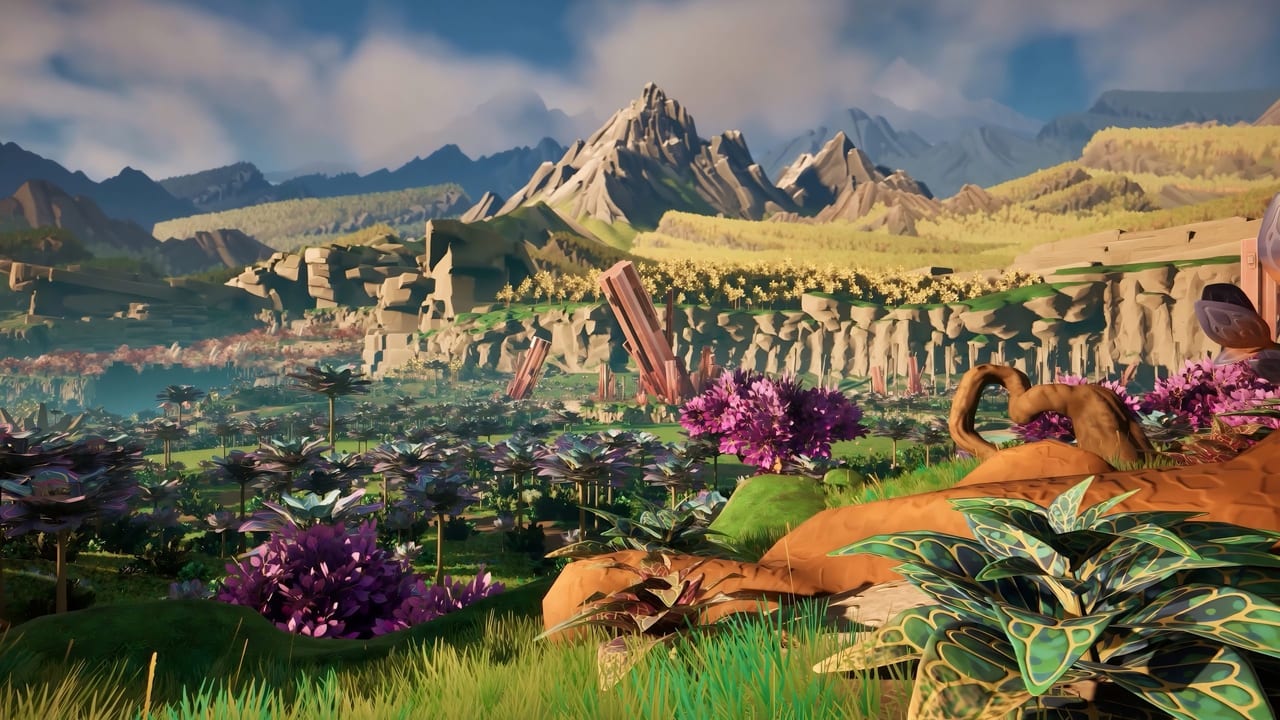
Survival in Honeycomb: The World Beyond is a metronome, not a horror spike. Frozen Way designed meters that stay out of the way so you can study plants. That does not mean Sota7 is harmless. The air carries pathogens. Some animals will not share turf. Some flora nourish and some poison. This guide is how to stay outside long enough for science. Pair it with getting started for the first hour and biomes for which neighborhoods are actually low risk.
Hunger and thirst are slow on purpose
Gamescom coverage quoted the studio on drain times: a full hunger bar takes about 24 real hours to empty; thirst lasts about 16 hours. Those numbers are design statements. You are not meant to picnic every five minutes. Eat when you pass a safe fruit. Drink when you are at the pump. Do not build your identity around a cooking skill tree that the trailers never sold.
That slowness is a trap if you ignore it for two real-life sessions and then die on a hoverboard with a backpack of Pass samples. Set a personal rule: eat at the base before a long loop, refill water when you refill power. Earth Filoy fruit from The Pass is official as raw-safe food; Valley plants need a scan first. The plant tier list marks nutrition versus “pretty but unknown.”
Immunity and the atmosphere
The December 2025 devlog added the mechanic that makes Sota7 feel alien even when the sky is breathable. Immunity drops the longer you stay outside without precautions. Pathogens in the atmosphere are unfamiliar to off-world explorers. Hennessy uses immunity pumps to extend field time. Equip them before a Headlands walk, not after the meter is already a rumor.
Practical use:
- Treat immunity like a scuba tank. The pretty jungle still spends it.
- Do not start a graft timer and then wander unpumped for an hour of real time.
- Keep a pump on the tool list next to samplers. Controls should have a reachable slot.
- Sleep and sealed rooms at base are part of the reset, not optional roleplay.
If a session feels “too safe,” check whether you are actually watching immunity. The cozy pitch dies when that bar is empty in The Pass.
Wildlife: scan, space, tranquilizer
Honeycomb’s non-violence stance is a studio policy, not an invitation to hug everything. Steam copy says some creatures tolerate you and others will not. Official shorts split Lucuma Camilla (friendly) and Scorchweaver (hostile). The Pass adds Azurite Lonebid, a large clawed caniform. Older previews mentioned a shaggy unicorn-like animal that is fine until you trespass.
Rules that keep samples in your bag:
- Scan from a distance. The database is cheaper than a hospital.
- If the entry says territorial, walk around. You are not farming hides.
- Use the advertised tranquilizer when a creature will not yield the path and you must pass. That is a research tool, not a PvE rotation.
- Do not build the lab on a nest. Base building already asks for sightlines.
The animal tier list exists so you stop guessing body language in a new biome.
Death is a slap, not a wipe
Coverage of the Gamescom loop is consistent: death drops some inventory and respawns you at base. Progression stays. That is kind, and it is also how you lose a unique Pass sample because you got greedy on a cliff. Play like the drop is real. Store parents in the lab. Carry copies, not the only graft stock, when you test a hostile rim.
Unstuck commands in the demo have already failed some players. Do not rely on a menu to save a stuck hoverboard. Keep the landing pod and the main bed as known geometry.
Expedition kit
Before a loop that leaves the Valley:
- Food that you have scanned as safe.
- Water or a route past a pump.
- Immunity pump equipped.
- Scanner, secateurs or chisel, empty sample slots.
- Tranquilizer if the biome risk is mixed or extreme.
- A plan to be home before you are tired of the HUD.
Hoverboards make the map smaller and the crash funnier. Unlock travel after the kit is boring. Bioengineering does not care how stylish the wreck was.
Mindset
Hennessy’s job is to come home with knowledge. Survival systems exist to make that job honest: you cannot live in a loading screen, and you cannot ignore an alien atmosphere because the trees are purple. If the meters ever feel like busywork, you are probably playing well. When they spike, you ignored a zone warning. Read the field survey news, then go back out with a pump and a smaller backpack.
Frequently Asked Questions
Quick answers to the most common questions.
How fast do hunger and thirst drain?
Studio comments around Gamescom put full hunger near 24 real hours and thirst near 16. Eat at base, not every fight. See getting started for the first-session version.
What is immunity in Honeycomb?
A meter that drops while you stay outside in Sota7’s pathogen-heavy air. Immunity pumps extend field time. The December 2025 devlog introduced it; this page covers how to use it.
What happens when I die?
You drop some items and respawn at base. Store rare samples in the lab described in base building.
How do I deal with hostile animals?
Scan first, detour second, tranquilizer third. Check temperaments on the animal tier list and zone risk on biomes.