Honeycomb: The World Beyond Sota7 Biomes and Routes
Valley to The Pass: where to walk, what is hostile, and which samples are worth the trek.
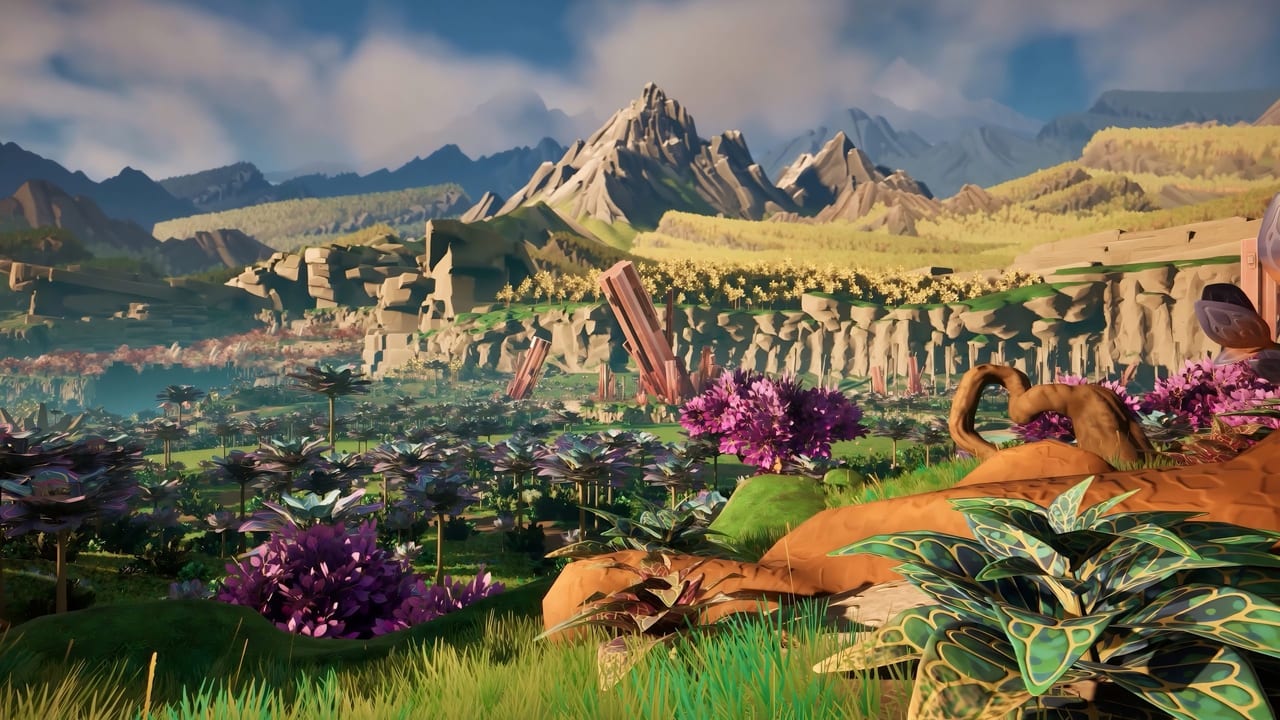
Sota7 is not a checklist of snow, sand, and fire biomes pasted onto one island. Frozen Way told interviewers the map stays in a summer-jungle climate because seasons would not make sense at this scale. Variety comes from landforms and ecology: a swampy valley, bone caves, a fjord-like aquatic belt, forgotten temple grounds, fields under a volcano, stone Headlands, and a tight extreme pocket called The Pass. This atlas is how you route a research trip. Pair it with the plant and animal lists, and with survival before you leave the pump.
How Frozen Way classifies danger
Steam field surveys use language like a planetary service, not a loot-shooter:
- The Valley — low risk, initial orientation. First classroom. Friendly Lucuma Camilla and hostile Scorchweaver both live in the marketing of this log. Scan everything. Build the first lab nearby as getting started describes.
- The Headlands — mixed danger, experienced field teams. Stone formations and constructed remnants. The zone feels arranged. Bring immunity pumps and a tranquilizer. This is a turning point, not a second tutorial.
- The Pass — extreme risk, end-of-progression. Small, dense, contested. Species are not abundant like Valley or Headlands stock. Flora and fauna here feed advanced crafting, nutrition balance, and hybrids you will not find elsewhere. Earth Filoy and Azurite Lonebid are named Pass residents.
There is also a zone classification post that framed the whole survey series. Read the news log when a new letter drops; this page tracks the map logic so you do not walk a Pass ridge with a starter bag.
Landforms beyond the three named surveys
GDC 2025 comments add texture the Steam letters have not fully catalogued yet:
- Swamp-like valley pockets inside the broader jungle.
- Old caves with bones of ancient animals — research sites, not jump-scare dungeons.
- Aquatic / fjord belt with high cliffs and a Norwegian vibe.
- Ancient tribe or temple remnants that imply someone, or something, was here before Hennessy.
- Volcano fields in trailers and press kits: wide grass at the foot of a mysterious cone.
Purple trees, spiral trunks, giant brassica-like plants, and hanging red amantus flowers showed up in older previews. Treat those as visual landmarks until your scanner writes a database name. Do not eat by color.
Suggested research routes
Route A — Demo and day-one. Landing pod → Valley loops → water-side base → one grow-pod cycle from bioengineering. Stop. The demo hour dies if you hunt Headlands selfies.
Route B — After the lab stands. Valley parents banked → short Headlands probe with pumps equipped → home before immunity is a rumor → compare scans against the tier lists.
Route C — Late. Only when hybrids from common parents feel solved. The Pass is a specialist shop. Official text says every encounter carries weight. Walk it like a clean room, not like an open-world checklist.
Hoverboards shrink travel and increase cliff comedy. Unlock them after Route A is boring. Controls should bind a brake you can find without looking.
Reading a biome like a scientist
Ask, in order:
- What is the official risk label?
- What water and cover exist for a temporary cache?
- Which plants are food versus parents versus poison?
- Which animals are tolerant, territorial, or Pass-grade?
- Does this zone enable a hybrid I cannot make at the beach?
If you cannot answer (5), you are sightseeing. Sightseeing is allowed — the game is pretty — but it is not progression. The story still wants a biological answer for Earth. That answer is more likely hiding in a contested Pass specimen than in a third Valley selfie.
Caves and temples are for bones, context, and maybe samples with no sun. Aquatic cliffs are for species the jungle never grew. Volcano fields are for the trailer shot and for plants that like stress. None of those replace the three surveyed ranks; they sit beside them.
Practical hazards
- Pathogens everywhere outdoors. Immunity is global, not biome-specific, but longer walks in mixed zones spend more of it. See survival.
- Geometry. Demo players already report unstuck failures. Extreme zones will be worse. Keep a mental line home.
- Overbuilding on a vista. A Headlands palace with no water is a museum. Relocate using the base guide.
- Assuming low-risk means no hostiles. Scorchweaver lives in the Valley pitch. Low risk is not zero.
When a new survey letter names a pocket, update your route, not your entire identity. The Updates Hub is the inbox. This page stays the map. After September 8, walk the letters in order even if the full client lets you sprint to The Pass on day one. The classification is a difficulty curve wearing a science costume.
Frequently Asked Questions
Quick answers to the most common questions.
Where should I go first on Sota7?
The Valley. It is the low-risk orientation zone. Follow getting started and keep the first lab close, as in base building.
What is The Pass?
An extreme, small, end-of-progression pocket. Samples there feed advanced hybrids. Do not treat it as a demo hike. See the news log for the full survey letter.
Are there winter or desert biomes?
Frozen Way said the map stays jungle-summer. Variety comes from swamp, caves, fjord water, temples, volcano fields, Headlands, and The Pass.
How do biomes connect to bioengineering?
Different zones hold different parents. Pass species enable hybrids you cannot finish on the coast. Use bioengineering and the plant list.