Honeycomb: The World Beyond Getting Started on Sota7
A scientist briefing for Hennessy’s first hours in Honeycomb: The World Beyond.
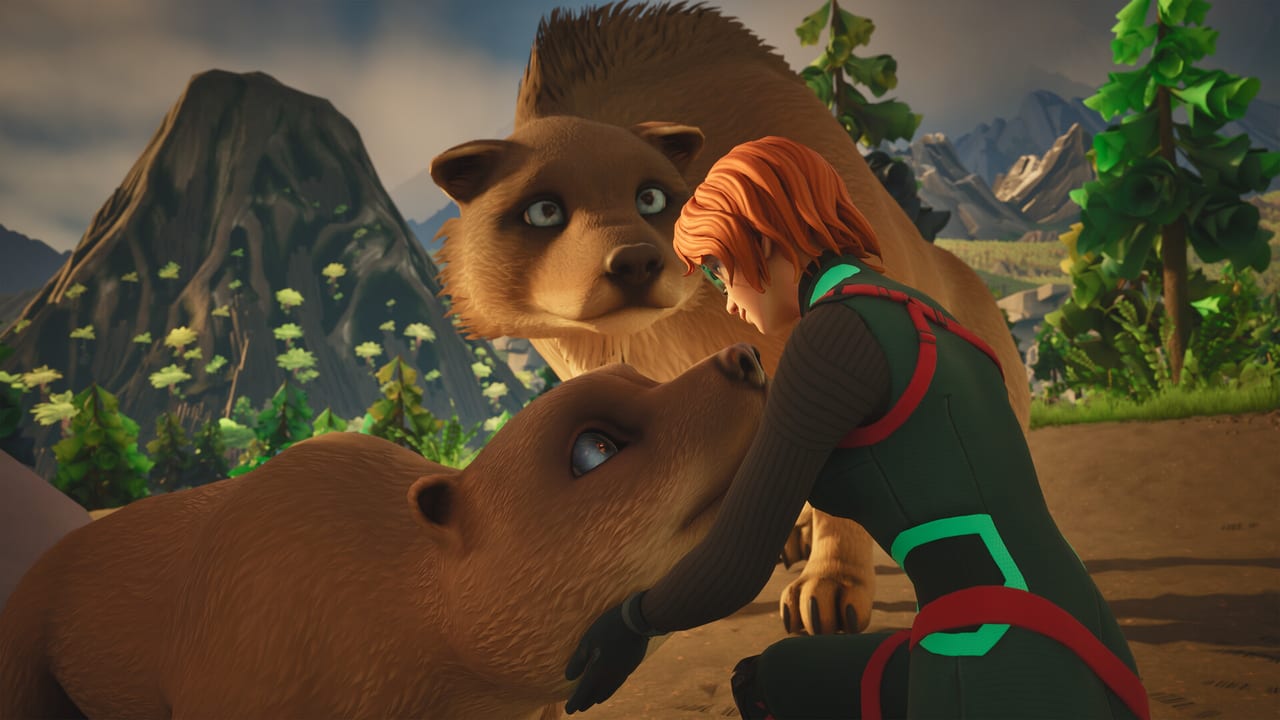
Honeycomb: The World Beyond drops you into Hennessy O’Quinn’s astro boots with a job, not a war. EON Corp sent a bioengineer to Sota7 because Earth’s ecology is failing and someone has to bring back usable knowledge. Your first session should feel like orientation: leave the landing area, scan what you do not understand, and only then spend resources on a lab. This page is the onboarding route. For the timed Steam trial, switch to the demo walkthrough. For dates, use the release page.
What you are actually doing
The Steam page slogan is explore, experiment, adapt. In practice that means four repeating jobs:
- Walk a biome and scan flora or fauna until the entry unlocks.
- Take a sample with the right tool instead of smashing everything with one gadget.
- Carry materials back to a shelter with water and power.
- Run a lab step — grafting, allogamy, or a same-species animal experiment — and read the result.
If you treat Honeycomb like a looter, the planet feels empty. If you treat it like a field study, the same hill becomes a checklist of properties. Frozen Way has been explicit that Hennessy is a scientist. Specialized instruments (chisels, secateurs, samplers) exist so each interaction has a purpose. The bioengineering guide is the deep dive; this page only needs you to respect the tools.
Before you launch
Confirm the machine can run Unreal Engine 5 at a stable frame rate. Minimum PC specs sit on the system requirements page: 64-bit Windows 10, Ryzen 5 3600 class CPU, 8 GB RAM, GTX 1660 / RX 6500 8 GB, DirectX 11, 40 GB on a SATA SSD. Recommended steps up to 16 GB RAM, RTX 2070 / RX 6700, DirectX 12, and NVMe. NVIDIA players should skim graphics settings for DLSS 4.5, Ray Reconstruction, Multi Frame Generation, RTXDI, and Reflex.
Steam lists full controller support and a Playable Steam Deck rating. Demo players have already reported missing binds and a middle-mouse gap. Open controls and set a scan key you can reach before you wander into wildlife.
The game is single-player. Plan a solo expedition. That is not a temporary UI lock; Frozen Way has said a shared world would need a large rewrite.
First ten minutes on Sota7
Stay near the landing pod until you can name your meters. Interviews and devlogs describe hunger that takes about 24 real hours to empty from full, thirst around 16 hours, and an immunity stat that drops while you stay outside in an atmosphere full of unfamiliar pathogens. Immunity pumps extend time in the field. Death drops some inventory and returns you to base. That is a slap on the wrist, not a wipe, but it still punishes greedy pockets. Details and food strategy live in survival.
Look at the horizon with a researcher’s bias:
- Colorful plants are not automatically safe.
- Friendly silhouettes can still defend turf. Official creature shorts contrast Lucuma Camilla with hostiles such as Scorchweaver.
- Water is a base constraint, not scenery. Base building starts with a water source for a reason.
Scan first, sample second. Curiosity is a tool and also a way to get bitten. Keep distance until the scanner tells you the species is tolerant.
First hour checklist
Use this list whether you are in the demo or rehearsing for September 8:
- Bind scan, sample, and a travel item (hoverboard later, sprint now). See controls if a default is missing.
- Gather a modest pile of building resources. Do not strip the landing biome bare; you need it as a classroom.
- Place a starter shelter with planning mode if snapping walls slows you down.
- Get water and a power idea (solar is the marketed backbone).
- Unlock one plant and one animal in the database.
- Run one lab action even if the hybrid is ugly. The point is to see the UI.
- Note any crash. Demo players recovered some startup failures with a
-dx11launch option, documented in the demo guide.
If the hour ends before The Headlands, that is success. The Pass is an extreme, end-of-progression pocket in official surveys. It is not a tutorial zone. Read biomes before you treat every ridge as a beginner path.
Movement and toys you will hear about
Trailers and the official site mention a hoverboard for crossing the map, drones that help assemble the lab, grow pods for plant work, water pumps, solar panels, and a tranquilizer for animals that will not share space. You will not master all of that in the first sitting. Unlock travel after the lab can stand without you. A pretty wreck on a hoverboard still drops your samples.
The story framing is simple on purpose. Hennessy is looking for a plant — or a created hybrid — that can help Earth. You do not need the full cinematic to play well. Watch the gameplay trailer on this page for tone, then go back to scanning. Lore watchers can add the preview after a demo run.
Common first-session mistakes
- Sprinting past scans because the biome looks like a postcard. The database is progression.
- Building a mansion before a grow pod. Science is the gear treadmill.
- Assuming every animal is a pet. The Valley survey starts at low risk; The Pass does not.
- Ignoring immunity because hunger is slow. Pathogens are the quiet meter.
- Copying a combat-survival HUD muscle memory. There is no “clear the camp” button.
When the first session ends, pick a specialty for session two: bioengineering if the lab felt good, base building if the shelter felt fragile, or plant rankings if you want a shopping list. Come back to this page only if a friend is about to land and needs the same briefing.
Frequently Asked Questions
Quick answers to the most common questions.
Is Honeycomb: The World Beyond a combat survival game?
No. Frozen Way built a research loop with specialized tools, slow needs, and a tranquilizer for dangerous wildlife. Read survival and bioengineering.
Should I play the demo before buying?
Yes. The demo walkthrough explains the one-hour Steam trial that opened on August 31, 2026, including crash workarounds.
What should I build first?
A compact shelter with water access and room for a grow pod. The base building guide covers planning mode, drones, pumps, and solar.
Where do I go after the landing pod?
Stay in the low-risk Valley long enough to fill the scanner, then read Sota7 biomes before The Headlands or The Pass.