Honeycomb: The World Beyond Crafting and Tools on Sota7
Tool types, blueprint progression, sample extraction, and the specialized instrument philosophy of Honeycomb.
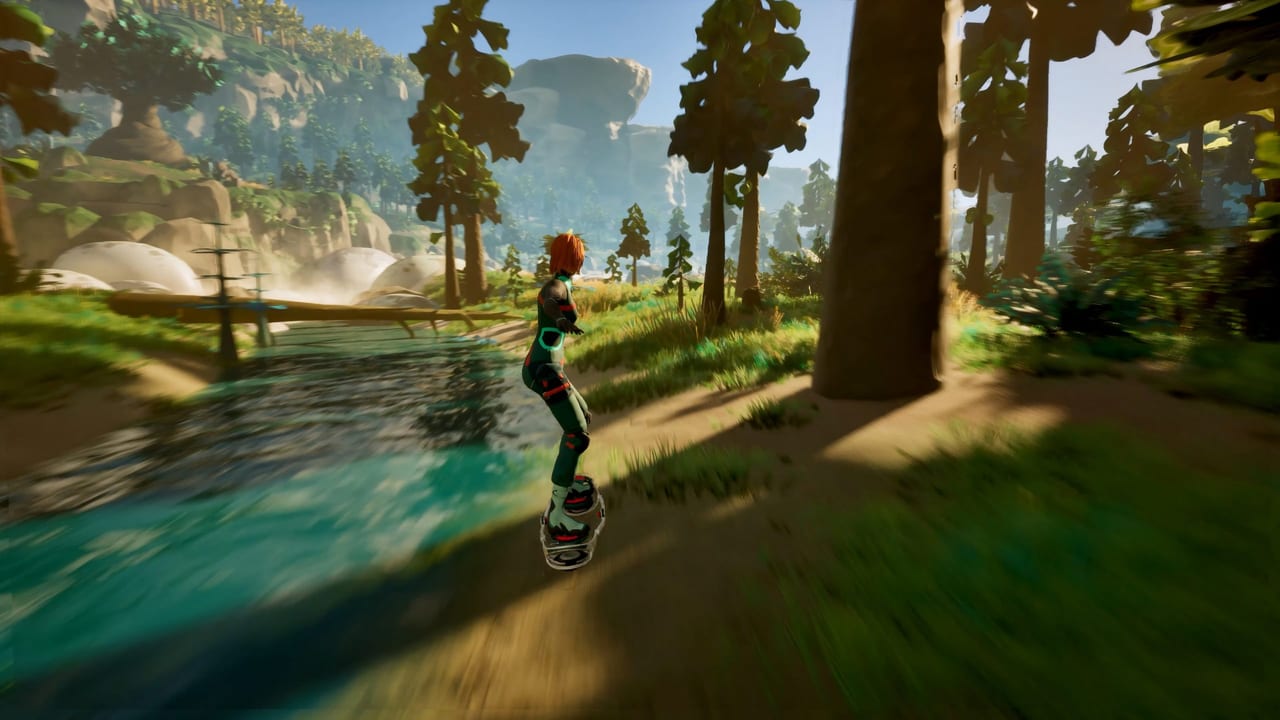
Honeycomb: The World Beyond does not hand you a multi-tool and call it a crafting system. The studio built a cabinet of specialized instruments, each with a narrow purpose, because the fantasy is being a field researcher with the right gear — not a survivor improvising. This page covers the tool taxonomy, how blueprints unlock, what each instrument does, and why you should care about the chisel as much as the grow pod.
The specialized tool philosophy
Press coverage and studio interviews are consistent: each tool exists because the gameplay loop requires it. You do not hammer a nail with a wrench. The extraction tool matters because the specimen type matters. Applying the wrong tool wastes a rare sample. The scanner is not decoration; it is how the game teaches you what you are holding before you waste a delicate genetic sample on a mineral node.
Scanner — The primary research instrument. Surveys flora and fauna until the database entry unlocks. The database is progression. You cannot graft what you have not scanned. The analyzer on Hennessy’s wrist feeds the AR overlay and writes entries that become your crafting library.
Secateurs — Precision plant clippers. Used for harvesting botanical specimens without destroying the genetic tissue you need for grafting and allogamy. Wrong tool on a delicate plant destroys the sample. Think surgical scissors, not garden shears.
Chisels — Geological and mineral extraction. Used for extracting mineral samples, stone fragments, and hard materials. Wrong application yields nothing useful. The game explicitly separates geological work from botanical work.
Sampling device — Genetic and biological data collection. The most delicate extraction tool, used for collecting genetic material from both flora and fauna. This is the tool for allogamy work — you need the actual DNA, not a stem cutting.
Tranquilizer dart gun — Wildlife management. Neutralizes aggressive creatures temporarily to allow passage or safe study. Not a weapon. Combat is not the progression model.
Immunity pump — Atmosphere management. Extends field time in pathogen-heavy zones. See survival.
Blueprint and crafting progression
The game uses a blueprint system. IVS supplies the initial set. Additional blueprints unlock as you explore, scan, and progress. Progression is tied to:
- Scanner completion — Scanning species in a zone unlocks related blueprints. Each new database entry is a potential crafting recipe.
- Lab level — Advanced grow pod cycles and infrastructure unlocks. Your lab bench is also a skill tree.
- Exploration milestones — New biomes reveal zone-specific crafting options. The Pass has tools you cannot make on the coast.
Do not expect to craft everything on day one. The demo session is long enough to test the basic extraction tools and one grow pod cycle. Full progression takes weeks of play.
Resource gathering workflow
- Identify the specimen using the scanner. The AR overlay tells you botanical, geological, or genetic before you touch anything.
- Assess the material type — botanical, geological, or genetic. If the scanner marks it as mineral, botanical tools will fail.
- Select the correct extraction tool from your hotbar. Chisel for stone, secateurs for plants, sampler for genetics.
- Extract the sample — approach within range, ensure the tool is equipped, trigger the extraction.
- Store in base — samples return with you. Death drops some inventory. Use base storage for rare specimens.
Common mistake: using secateurs on mineral nodes, or chisels on delicate plants. Scan first. The scanner tells you the type. The tool follows.
Base infrastructure crafting
Beyond tools, the crafting system covers base building components. Frozen Way describes these as the laboratory infrastructure, not the survival-shelter angle:
- Solar panels — Primary power source. Placement matters; jungle canopy reduces output significantly. Open clearings beat shaded jungle floors for panel efficiency.
- Water pumps — Require proximity to a water source. Critical for grow pod operation. No water pump means no pod cycles.
- Wind turbines — Supplementary power generation. Backup when solar is insufficient or blocked.
- Grow pods — The laboratory core. Without these, no grafting or allogamy. This is the crafting centerpiece.
- Antenna networks — Water distribution and base connectivity. How your lab talks to remote equipment.
- Storage containers — Inventory management. Death does not affect stored items. The base is the safe zone for rare samples.
- Habitat modules — Art Nouveau-inspired structures. Planning mode available for easier placement. Build a lab that fits the landscape, not a box that fights it.
See base building for power grid design and placement principles.
Tool maintenance and durability
Tool durability is a design consideration mentioned in pre-launch materials. The practical advice until official documentation confirms otherwise: treat extraction tools as limited-use items. Carry spares for long expeditions. The game may have durability that activates post-launch; watch patch notes for confirmation.
What crafting is not
Honeycomb does not have a traditional crafting tree where you combine raw materials into weapons. Combat is not the progression hook. The tranquilizer is for negotiation, not combat. If you are looking for a weapon crafting path, this game does not have one. See the bioengineering and creature behaviors guides for what the systems actually support.
Drone Builder and remote controller
Among the tools mentioned in official materials, the Drone Builder and a remote controller deserve special note. Once crafted, a drone can assist with base assembly and remote surveying. This is not a combat unit. It is a mobile camera and carrier that extends your research reach without walking every corner of a zone. The base building guide covers drone deployment in detail.
Crafting FAQ
Can I use one tool for everything?
No. The specialized tool design is intentional. Each instrument handles a specific material type: secateurs for plants, chisels for minerals, the sampling device for genetics. Using the wrong tool wastes samples and returns nothing useful.
When do I unlock new blueprints?
Scanning species, progressing through the lab, and exploring new biomes all unlock blueprints. The game does not hand you the full set at once. Full progression takes weeks, not a single session.
Should I craft weapons?
No weapons path exists. The tranquilizer handles wildlife. Combat is not the progression model.
How do I keep samples safe?
Store rare specimens in base containers. Death drops some inventory; containers at base are unaffected. Base storage is your permanent archive.
What does the Drone Builder do?
The Drone Builder crafts a survey drone that assists with base assembly and remote reconnaissance. It is not a combat unit. Deploy it to extend your research reach across difficult terrain.
Frequently Asked Questions
Quick answers to the most common questions.
Can I use one tool for everything?
No. Each tool handles a specific material type: secateurs for plants, chisels for minerals, the sampling device for genetics. Wrong tool, wasted sample.
When do I unlock new blueprints?
Scanning species, lab progression, and exploring new biomes all unlock blueprints. Full progression takes weeks, not a single session.
Is there a weapon crafting path?
No. Combat is not the progression model. The tranquilizer handles wildlife negotiation. See creature behaviors.
How do I keep samples safe?
Store rare specimens in base containers. Death drops some inventory; base storage is unaffected. See base building.
What is the Drone Builder for?
The Drone Builder creates a survey drone that assists with base assembly and remote reconnaissance. It is a research tool, not combat equipment.