Honeycomb: The World Beyond Food and Nutrition on Sota7
Safe eating rules, nutrition values, the hunger clock, and how to plan a survival diet before your first overnight expedition.
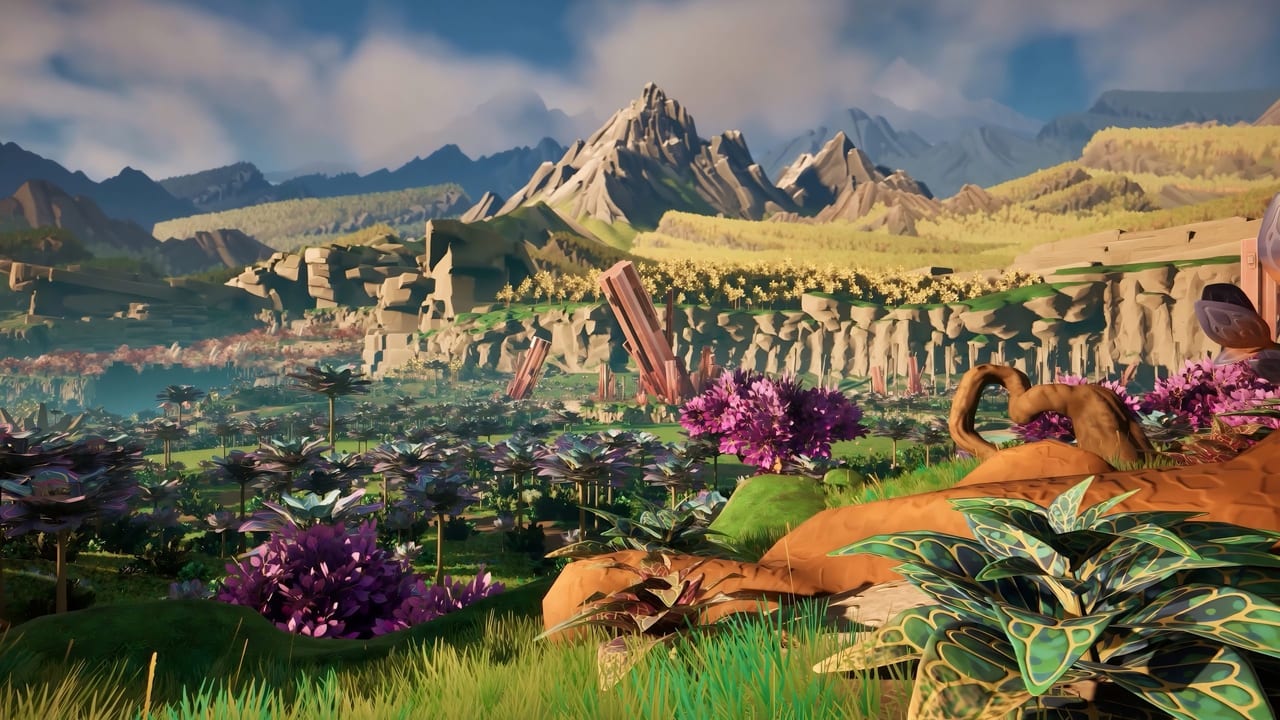
Food in Honeycomb: The World Beyond is not a panic mechanic. The hunger clock drains slowly — approximately 24 real hours from full to empty — which means you can spend a full play session studying Sota7’s botany before hunger becomes urgent. This page covers safe eating rules, documented food sources, nutrition strategy, and why the hunger clock is designed to serve research rather than interrupt it.
The hunger and thirst clocks
From official materials and post-demo community reports:
- Hunger drains over approximately 24 real hours from full to empty. You will not starve mid-session unless you log multiple sessions without eating.
- Thirst drains faster, around 16 real hours from full. Water management is the tighter constraint.
- Immunity — atmosphere pathogens — drains while you are outside in unfamiliar zones. This is separate from hunger and requires pumps, not food.
The slow clock is intentional. Frozen Way designed the survival layer around observation. You should be looking at plants, not managing meters. The survival guide covers immunity pumps and pathogen zones in detail.
Safe eating rules — the non-negotiables
The single most important rule on Sota7: scan before you eat.
Honeycomb is explicit that not all flora is edible, and not all edible flora is safe raw. The demo introduced players to this lesson within the first hour. The consequences of ignoring the scanner are real: illness, significant debuffs, or a fast track back to base.
Rules that save runs:
- Scan first. The AR overlay tells you if something is edible, toxic, or unknown.
- Check the raw flag. Earth Filoy is documented as safe to eat raw. Other plants may require processing.
- Watch for warnings. The scanner flags toxic specimens with a clear warning. Do not eat warnings.
- Build before you starve. A full hunger bar means you have about 24 hours. Do not wait for yellow to start looking.
Documented food sources
Earth Filoy — The clearest named food source in official materials. Survey Log #4 describes it as an orange, plum-like fruit from clay-rich uplands and lake edges in The Pass. Official text states it is safe to eat raw. This is the highest-confidence food item in the game. Location: The Pass only, which is an extreme zone. Do not plan to harvest it during the demo.
Valley food plants — The Valley is the low-risk orientation zone. Any plant the database marks as edible belongs in your early diet. Do not eat by color — purple foliage in trailers is a visual landmark, not a grocery label.
Processed foods — The grow pod enables food processing through the crafting system. Cooking or processing may make toxic raw specimens safe, or increase nutrition value. The bioengineering guide covers processing.
Unknown specimens — Any plant the scanner marks with a warning or an unknown flag. C-rank in the plant tier list. Name it, do not dinner it.
Nutrition strategy
A sustainable Sota7 diet has three layers:
Layer 1 — Emergency ration. One or two known safe raw foods you can grab without planning. Earth Filoy (when accessible) or scanned Valley edibles. Keep these in your hotbar.
Layer 2 — Base supply. Grown or processed foods stored in base containers. This is your primary food source. The base should have enough запасов to survive 48+ hours of active research without foraging.
Layer 3 — Field supplement. Fresh samples collected during expeditions, eaten only after scanning confirms they are safe. Treat these as bonuses, not the primary meal.
The grow pod is not just for bioengineering experiments. A pod running food-production cycles is also your kitchen. The base building guide covers food production infrastructure.
What not to eat
- Toxic plants — Scanner flags these clearly. Eating one is a self-inflicted setback.
- Wildlife meat — The game is botanical-focused. Animal products may exist but are not the primary nutrition path.
- Unscanned specimens — Curiosity can bite. If the scanner does not have an entry, the plant does not have a known safety profile.
- Colored fruit that looks like Earth produce — Purple is not grape. Orange is not orange. Scan first.
Combining food with survival
Food connects directly to other survival systems:
- Better nutrition extends field time. A well-fed character maintains stamina longer, which matters when The Pass requires hours of climbing.
- Food storage connects to base design. Place storage containers near your food production area. Death drops inventory, not base storage.
- Sample priority over snacks. If your inventory is full of rare specimens, do not swap them for a food item you can grow at base.
Food FAQ
How long does hunger take to drain?
Approximately 24 real hours from full to empty. Thirst drains faster, around 16 hours. Both are slow enough to support a full research session.
What is the safest food on Sota7?
Earth Filoy is the highest-confidence named food: orange, plum-like, explicitly safe to eat raw. It lives in The Pass, which requires late-game preparation to reach safely.
Can I eat plants I find in the Valley?
Yes, if the scanner marks them as edible. The Valley is the orientation zone. Any database entry marked as edible is a potential food source. Scan first.
Do I need to cook food?
Some specimens may require processing to become safe or nutritious. The grow pod handles both bioengineering experiments and food production. See bioengineering.
What happens if I eat something toxic?
Illness and significant debuffs. The game is explicit that not all flora is safe. Scan first — this cannot be overstated.
Frequently Asked Questions
Quick answers to the most common questions.
How long does hunger take to drain?
Approximately 24 real hours from full to empty. Thirst drains faster at around 16 hours. Both are slow enough for full research sessions.
What is the safest food on Sota7?
Earth Filoy is the clearest named food: orange, plum-like fruit, explicitly safe to eat raw. It lives in The Pass extreme zone.
Can I eat plants I find in the Valley?
Yes, if the scanner marks them as edible. The Valley is the orientation zone. Scan first — do not eat by color.
Do I need to cook food?
Some specimens may require processing. The grow pod handles both bioengineering and food production. See bioengineering.
What happens if I eat something toxic?
Illness and significant debuffs. Scan everything before eating. The scanner is your friend.