Honeycomb: The World Beyond Gene Traits and Crossbreeding on Sota7
Grafting tables, allogamy inheritance, and what the grow pod actually does with two parent plants.
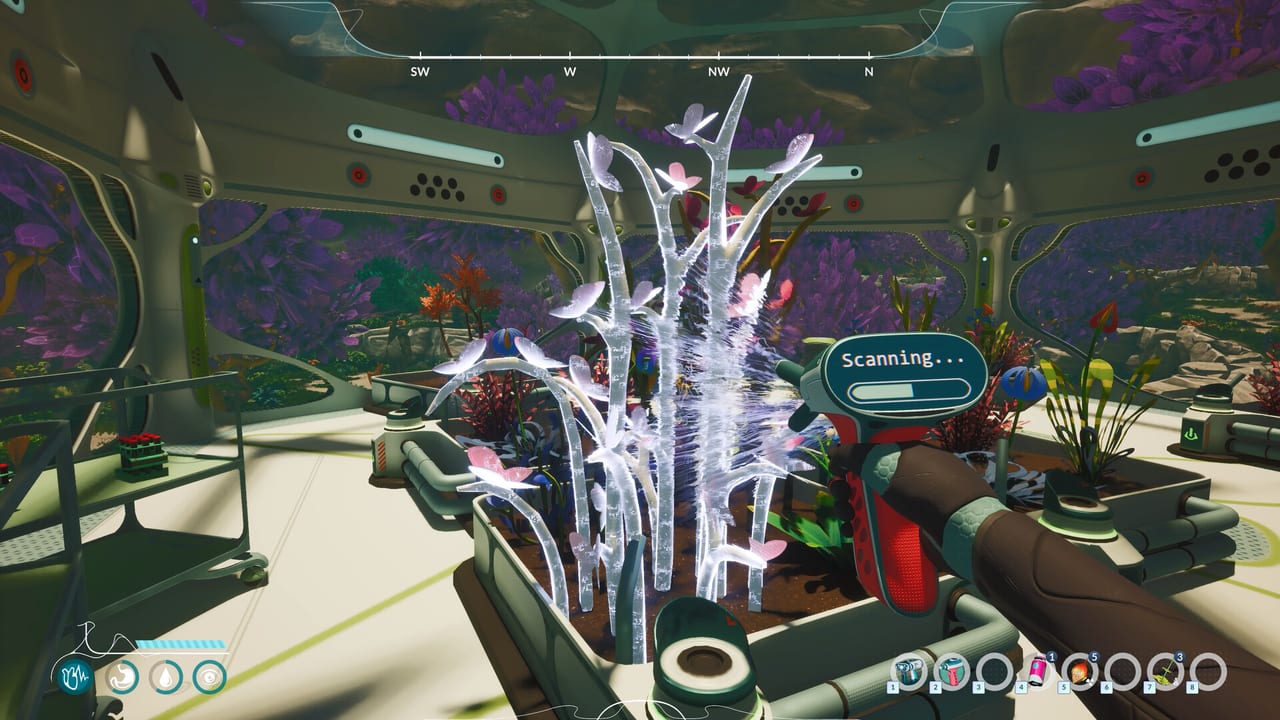
Crossbreeding in Honeycomb: The World Beyond is not a slot machine. The grow pod takes two parent specimens and produces a hybrid that carries traits from both. Understanding which traits pass down, how grafting differs from allogamy, and why parent selection matters more than luck is what separates a productive lab from a box of wasted samples. This guide is the science layer under the bioengineering overview. Pair it with the plant tier list for which parents to chase, and with base building so your pods run on time.
The two mechanisms: grafting versus allogamy
Frozen Way has described two distinct botanical techniques in interviews and devlogs. Both run inside grow pods, but they work differently:
Grafting joins the tissue of one plant directly onto the rootstock or stem of another. Think of it like a surgical attachment: the scion (the grafted piece) keeps its genetic identity but draws resources from the host. In Honeycomb, grafting is how you move a specific trait — nutrition density, drought resistance, growth speed — from one specimen into a plant that has a different strength. The resulting grafted specimen is not a new species; it is a combination of two.
Allogamy is cross-pollination between two distinct specimens. This is the sexual reproduction path: pollen from one plant fertilizes another, and the resulting seed carries a mix of genes from both parents. Allogamy hybrids are genetically novel. They can express dominant and recessive traits in ways grafting cannot. The devlog embedded on the bioengineering overview shows this happening inside a pod in real time.
The practical split: graft when you want to copy one specific property onto an established plant. Allogamize when you want to discover what a new combination produces. Both belong in the lab. Neither belongs in a hostile zone with rare specimens.
Gene trait categories
Research from pre-launch coverage and the studio’s published materials identifies several trait axes that matter in hybrid outcomes:
Nutritional traits — Some plants produce fruit higher in calories, vitamins, or water content. These matter for survival: Earth Filoy (named in Survey Log #4) is documented as raw-safe with orange plum-like fruit. A hybrid that preserves or enhances that trait is worth chasing.
Growth rate — Time to harvest inside a grow pod varies by specimen. Faster-growing parents let you iterate more experiments per session. This is a meta trait: it does not appear in the field, only in the lab.
Environmental resilience — Some plants tolerate drought, poor soil, or temperature extremes better than others. A specimen from The Pass (extreme, contested) may carry resilience genes that coastal plants do not. Graft that onto a high-yield lowland plant and the result may survive longer without intervention.
Secondary compound production — This is the speculative tier. The story goal is finding a plant — or creating one — that helps Earth’s ecology. Plants that produce complex compounds (resins, oils, defensive chemicals) are the candidates. Solavia is described as beautiful, useful, and a little unpredictable. Unpredictable may mean it carries rare secondary pathways.
Visual / structural traits — Not gameplay-relevant, but the game is described as visually lush. Flowers, leaf shapes, and pigmentation are observable and catalogued. Some players track these for the aesthetic alone.
Grafting workflow
- Scan and extract the source specimen with secateurs or the appropriate tool. The specimen must be catalogued in the database before it can be grafted.
- Identify a host plant that has the properties you want to preserve — base yield, fast growth, resilience.
- Place the scion on the host using the grow pod interface.
- Run the graft cycle. Duration depends on the specimens.
- Harvest the result. If it does not match expectations, change one parent at a time. The result is data; treat it as such.
The plant tier list names the highest-value documented parents: Earth Filoy (S-tier Pass species), Solavia (A-tier useful and unpredictable), and Valley food plants you have scanned as safe.
Allogamy workflow
- Scan two distinct parent specimens that you want to combine.
- Extract genetic material from both using the appropriate sampling tool.
- Place both samples in the grow pod configured for allogamy.
- The pod runs the cross-pollination cycle. Seeds produced carry a mix of parent genetics.
- Plant the resulting seeds and observe the offspring. This is where surprises live.
Allogamy hybrids are genuinely new. If you cross two parents with different resilience profiles, the offspring may inherit either, both, or a blend. There is no guarantee. The game is not lying about the science metaphor: real plant breeding involves probability, not certainty.
Practical notes on the grow pod
The grow pod is the laboratory core. Everything crossbreeding happens inside it. Practical rules:
- Keep the pod powered and watered. A dead pod mid-cycle loses the experiment.
- Place the pod where you can see its status indicator from the base entrance. Checking it via hoverboard is a research day lost.
- Do not rush: one completed hybrid per session is a productive lab. Two is excellent. Three means you are skipping observations.
- Store parent specimens separately from the pod output. A failed hybrid should not consume your only copy of a rare parent.
The Pass and late-game parent acquisition
Survey Log #4 calls The Pass the extreme, end-of-progression zone. Species there — including Earth Filoy — feed advanced crafting and hybrid paths you cannot access on the coast. Do not attempt The Pass in the demo. Do not bring your only copies of rare specimens into it before you have a functioning lab and a base to respawn at. The biomes guide covers route planning. The survival guide covers immunity management.
What the community is documenting
Before official patch notes or spreadsheets, players on Steam and Discord are sharing observations about which parent combinations produced useful results. The links page points at official channels. Community tier lists and breeding charts will emerge post-launch. Until an official data set exists, this page will remain conservative: named species only, sourced from official communications. When that changes, the Updates Hub moves first.
Crossbreeding FAQ
Is there a guaranteed way to get a specific trait? No. Allogamy involves probability. Grafting is more predictable because it copies rather than recombines. Keep notes on parent combinations that produced useful results.
Should I graft or allogamize first? Grafting first. It is more predictable and teaches the pod interface without risking rare parent specimens. Move to allogamy after you have a functioning lab and backup copies of your best parents.
Can I crossbreed animals? Only within the same species. The animal tier list covers this in detail. Animal breeding is intentionally narrower than plant work.
Where do I find the best parents? Earth Filoy and Solavia are the top documented plants. Earth Filoy lives in The Pass (extreme zone). Solavia appears in publisher shorts. Valley species are the best early parents. See the plant tier list.
Frequently Asked Questions
Quick answers to the most common questions.
What is the difference between grafting and allogamy?
Grafting joins plant tissue from one specimen onto another; the scion keeps its genetic identity. Allogamy cross-pollinates two distinct specimens to produce a genetically novel hybrid seed. Both run in grow pods. Grafting is more predictable; allogamy can produce surprises.
Are there published graft or allogamy tables?
No official spreadsheet exists yet. The community is documenting parent combinations post-launch. This page tracks named plants from official sources only.
Can I graft animal DNA into plants?
No. The system is botanical. Animal work uses same-species breeding pairs in dedicated nest structures. See the animal tier list.
Does the grow pod need power and water constantly?
Yes. Keep it powered and watered. A mid-cycle failure loses the experiment. Place it near solar and water infrastructure as described in base building.